
 Elena Garcia
Turning 40 comes with a strange kind of fashion pressure, doesn’t it? Somewhere along the way, someone decided there was an unwritten rulebook: no more crop tops, no more bold color, everything has to be “age-appropriate.” I’m here to tell you that rulebook belongs in the trash, along with any advice that treats your style like it has an expiration date.
The real question isn’t what a 40-year-old woman shouldn’t wear. It’s what should a 40-year-old woman wear that actually reflects who she is right now, not who she was at 25 or who a magazine assumes she should be. This is less about hiding and more about refining, and honestly, that’s a much more exciting project.
I’ve spent the last several years paying close attention to what real women are pinning, saving, and screenshotting, women in their 40s who dress with intention, not anxiety. I’ve tested plenty of these combinations myself, tweaked what didn’t work for my body, and kept what did. What I’ve landed on isn’t a trend chase; it’s a formula.
In this guide, I’m breaking down seven casual, chic outfit ideas pulled straight from what’s actually working on Pinterest and Instagram right now. By the end, you’ll have a mini blueprint for a chic everyday capsule wardrobe you can build on for years, not just one season.
Contents
Table of Contents
Look 1: The Elevated Trench & Straight-Leg Jeans
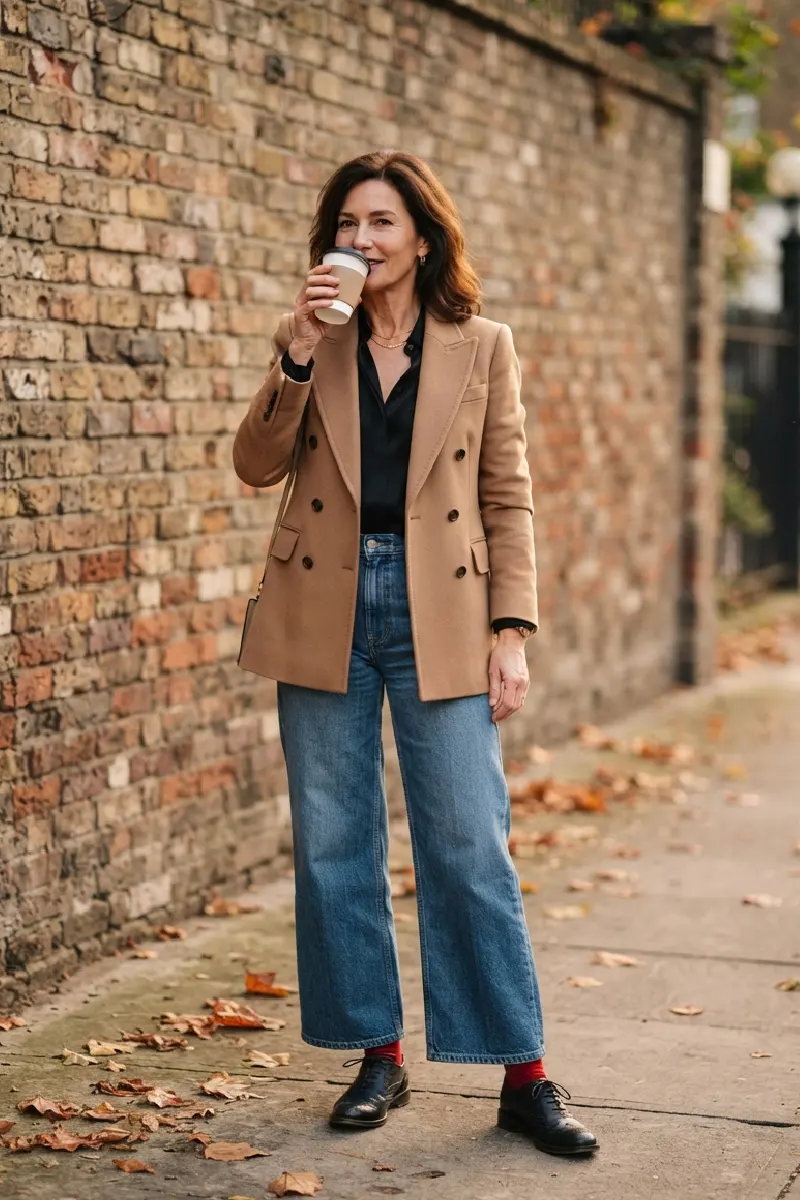
This look is sophisticated outerwear meeting relaxed weekend denim, and it’s one of the most reliable combinations I own.
A tailored midi trench coat instantly signals “put together” even when you’re just running errands. I pair mine with straight-leg jeans in a mid-wash and slip into leather loafers rather than sneakers; the loafers add just enough polish. Ivory, camel, or classic navy trenches tend to photograph the best and work with nearly everything already in your closet. If you want to see how stylists layer trench coats over denim for real-life wear, this styling breakdown is worth a quick watch.
This combination is a perfect example of an effortless street style look, minimal effort, maximum impact. Keep your top simple underneath so the coat stays the star of the outfit.
Look 2: The Structured Blazer and Denim Combo
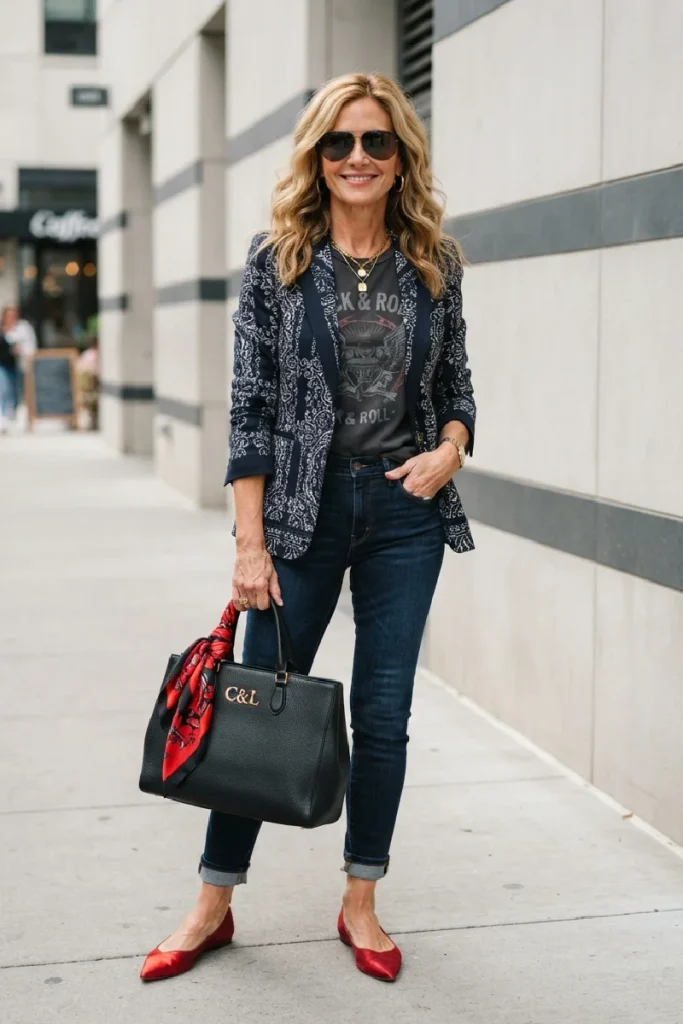
A blazer over jeans is one of those combinations that never really goes out of rotation, and for good reason.
I reach for a tailored neutral blazer, think camel, charcoal, or soft white, whenever I want to look intentional without trying too hard. Pair it with slim jeans for a sleeker line, or boyfriend jeans if you want something more relaxed. This is genuinely one of the best smart casual outfits for women who move between coffee dates, errands, and low-key work meetings in the same afternoon. A fitted blazer with slightly rolled sleeves also does wonders for balancing proportions.
Add a simple white tee or fine-knit top underneath, and you’ve got a formula you can repeat endlessly with different denim washes and blazer colors.
Look 3: Coordinated Neutral Knitwear & Denim
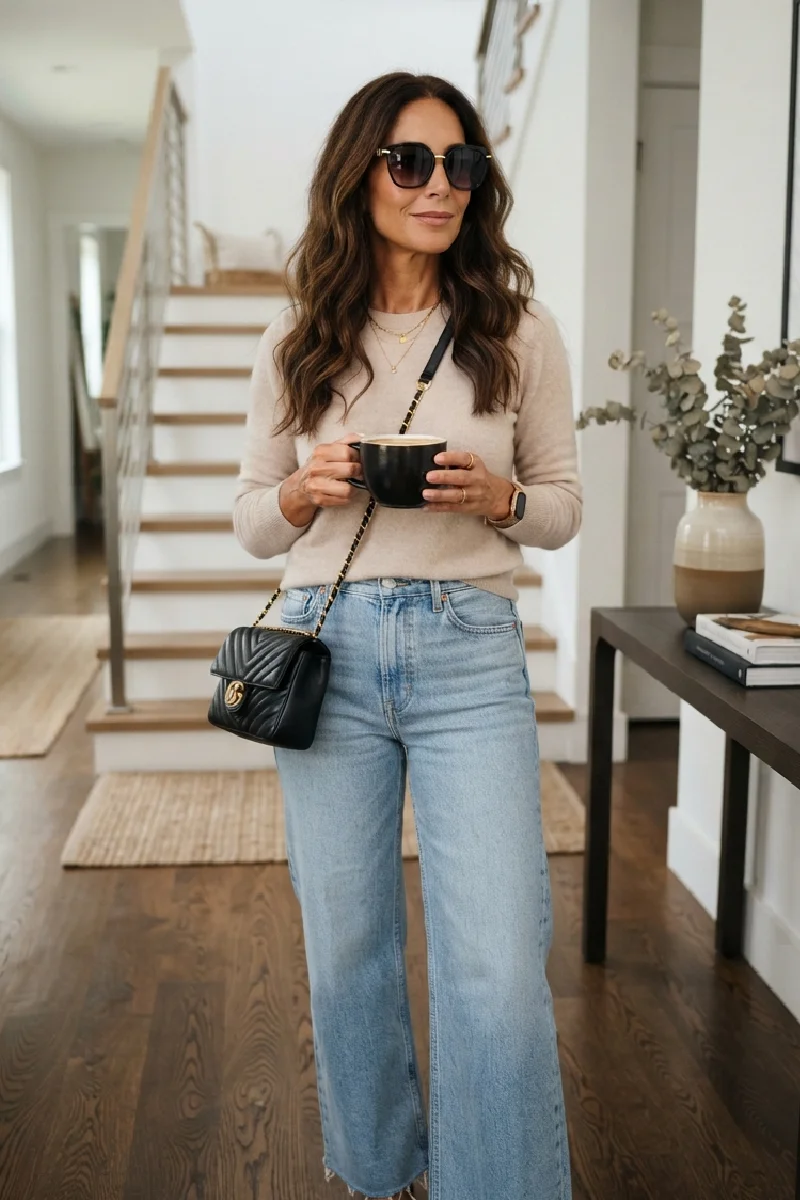
There’s something about monochromatic neutrals that instantly reads as expensive, even when your pieces weren’t.
A chunky cable knit sweater in oatmeal, camel, or soft gray paired with perfectly fitted light-wash denim is cozy without looking sloppy. I always size my knits so they skim rather than swallow my frame; oversized is fine, shapeless is not. This is casual style for women over 40 at its most intentional, quiet, textured, and confident. The key is quality over quantity here; one well-made sweater outperforms five thin ones.
Finish with ankle boots and a structured crossbody bag, and you’ve got an outfit that feels curated in under two minutes.
Look 4: The Crisp White Shirt & Tailored Trousers
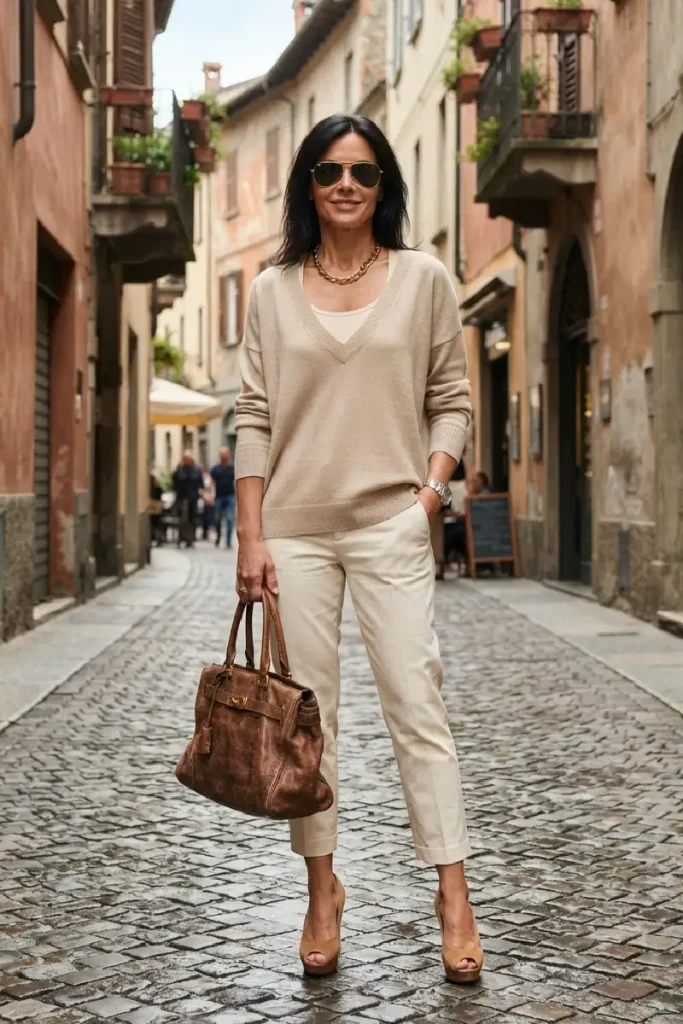
Few pieces work as hard as a great white button-down, and this look proves it.
I like mine slightly oversized, tucked loosely into linen or wide-leg trousers rather than fully tucked and cinched. It creates a relaxed, editorial silhouette instead of something stiff or overly formal. This combination is timeless because it doesn’t chase trends; it simply looks clean, fresh, and deliberate season after season. Roll the sleeves to the elbow for a slightly undone finish that keeps things from feeling too corporate.
Swap in a linen shirt during warmer months and a cotton-poplin version in cooler weather, and this formula works year-round.
Look 5: Statement Denim-on-Denim
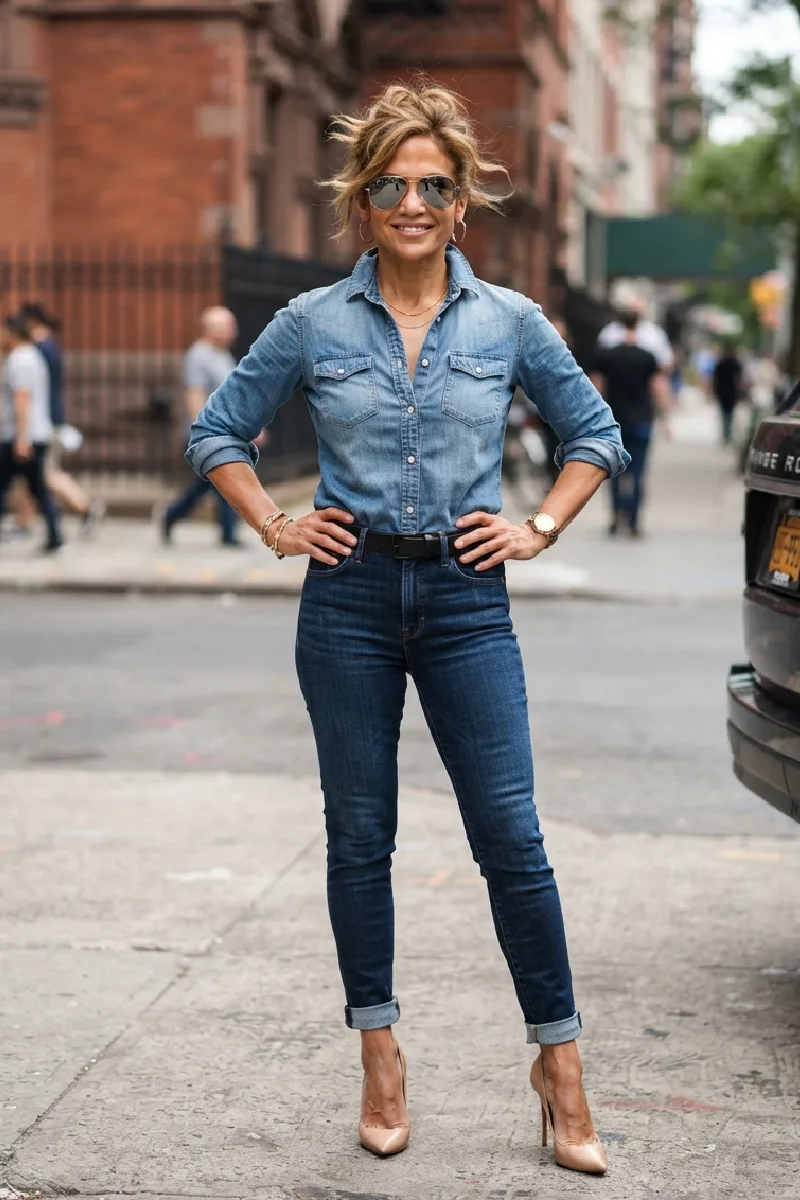
Denim-on-denim has fully shaken off its dated reputation, and honestly, it might be the most youthful look on this list.
The trick is monochromatic styling, matching or closely toned denim jacket and jeans, which creates a long, unbroken vertical line. I keep my top minimal underneath, usually a fitted tank or turtleneck, so the denim does the talking. This works especially well if your jacket and jeans are in slightly different washes; too matchy can feel costume-y rather than curated.
Add a bold belt or statement earrings to keep the look from feeling flat, and you’ve got something bold, modern, and surprisingly easy to pull off.
Look 6: Playful Statement Patterns & Midi Skirts
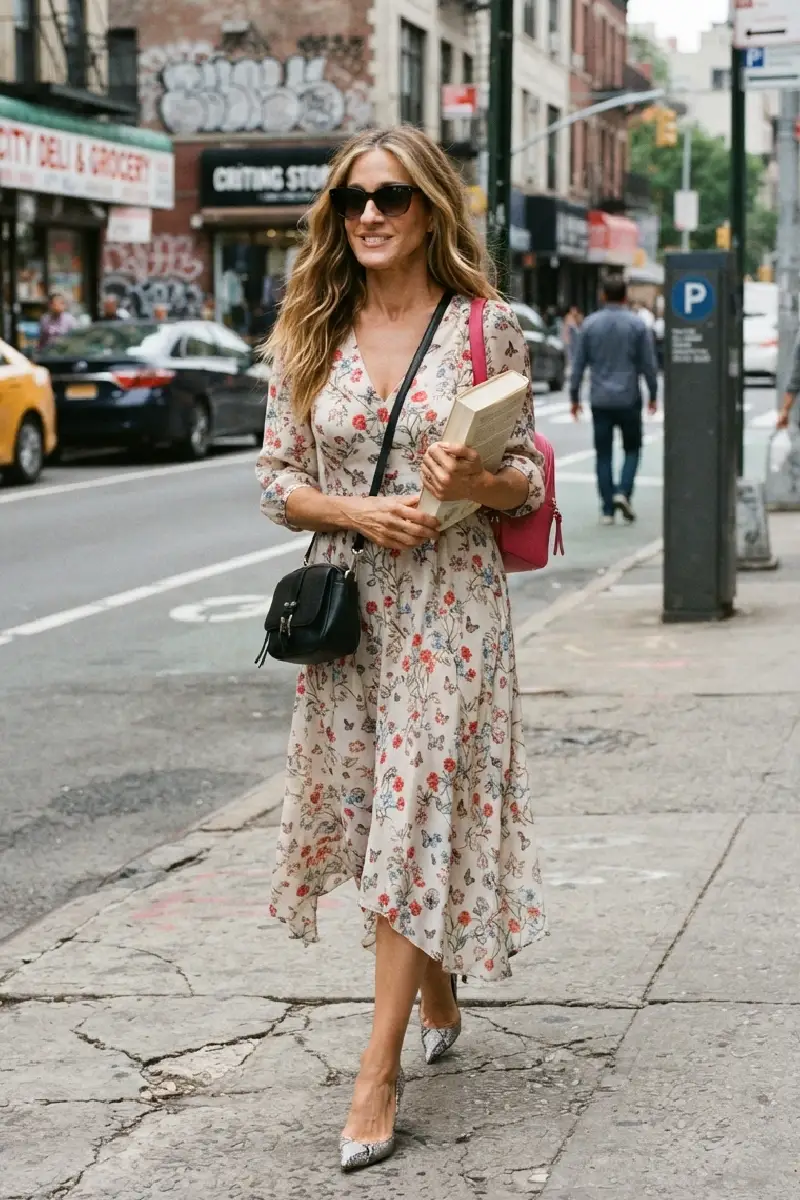
If you want a break from denim altogether, patterned midi skirts are having a real moment, and they’re incredibly flattering across body types.
I like pairing a structured, patterned midi with a simple fitted top or an easy denim jacket thrown overtop. Florals, abstract prints, and even subtle animal prints all work beautifully here without feeling loud or juvenile. The flowing silhouette is breathable, comfortable, and adds texture to an otherwise simple outfit. Midi length is intentional too; it hits at a spot that’s universally flattering and easy to dress up or down.
Pair with simple sandals in summer or ankle boots in fall, and this look transitions across seasons with almost no effort.
Look 7: Earth-Toned Corduroy & Textures
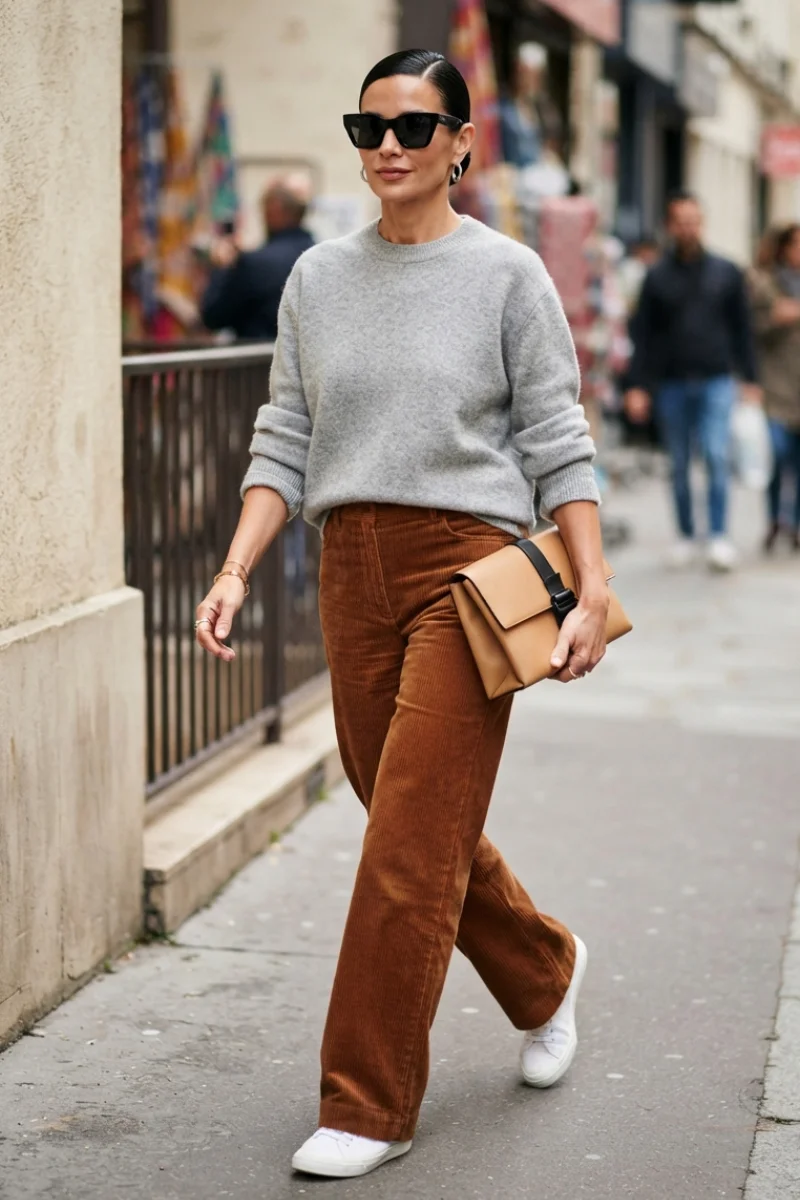
Corduroy has quietly become one of the most requested fabrics in fall style searches, and it’s easy to see why.
I love styling a corduroy jacket or trousers in rust, olive, or chocolate brown against a simple neutral top; the texture alone makes the outfit feel finished. This is a great way to build genuine dimension into casual clothing without adding more color or pattern. Corduroy also happens to be forgiving and durable, which makes it a smart long-term wardrobe investment rather than a one-season trend.
Layer with a simple crewneck sweater underneath for cooler days, and you’ve got a rich, autumnal look that feels grounded and current.
Golden Rules on How to Dress in Your 40s
Beyond individual outfits, a few core principles quietly hold this entire wardrobe philosophy together.
Fit Over Size
The number on the tag matters far less than how a piece sits on your actual body. A blazer tailored at the shoulders, trousers hemmed to your exact leg length, a sweater that skims rather than swallows, these small adjustments make a bigger visual difference than buying something new entirely.
Fabric Investment
Breathable, premium fabrics like cotton, linen, and cashmere simply age better, both on your body and in your closet. They drape more naturally, resist pilling, and tend to photograph beautifully in that soft, effortless way you see across Pinterest boards.
Accessorize Smartly
A structured bag, a great pair of sunglasses, and a low, comfortable heel can transform even the simplest outfit into something polished. These finishing touches are often what separates “thrown together” from genuinely chic.
Final Thoughts
Personal style was never meant to have an expiration date, it was only ever meant to evolve. What should a 40-year-old woman wear? Whatever makes her feel most like herself, built on pieces that fit well, feel good, and photograph the way real, authentic confidence always does.
These seven looks aren’t rules; they’re a starting point, a flexible framework you can bend, mix, and make entirely your own.
So save the ones that speak to you, build your own mood board, and start treating your wardrobe as a reflection of exactly who you are today, not who you used to be.
Your style doesn’t fade with age. It sharpens.
More Related Stories for You
- Looking for more ways to build a wardrobe (and life) rooted in authentic confidence? Explore our related style and self-growth stories on The Life Post.
About The Author