
 Nicole Adkins

When your boss moves the goalpost every single week and you start questioning your own memory
Key Takeaways
- Learning how to deal with a narcissistic manager starts with managing your exposure, not trying to fix their personality.
- A documented paper trail is your best defense when a boss rewrites conversations that never happened the way they say they did.
- You can protect your sanity and your paycheck at the same time if you stop playing their emotional game and start playing a strategic one.
Quick Answer: To deal with a narcissistic manager you shift from emotional engagement to strategic boundary defense. Document every conversation in writing. Use the low reactivity “gray rock” approach. Align your work with their ego goals. Skip direct confrontations that trigger their rage. Quietly build your exit plan.
Contents
Table of Contents
You’re Not Crazy, You’re Being Managed By Chaos
We’ve all sat in a meeting where our manager says one thing, then denies it a week later like it never happened. You start writing things down just to prove to yourself you’re not losing it.
That feeling isn’t weakness. It’s a normal nervous system response to an unpredictable environment, the same mechanism psychologists see in intermittent reinforcement studies going back to B.F. Skinner’s work on variable reward schedules. Your brain stays on high alert because it never knows which version of your boss is showing up today, the charming one or the cold one.
Here’s the reframe that actually matters. You cannot fix a disordered manager. You can only alter the architecture of your response. This isn’t about diagnosing anyone or winning an argument about who said what. It’s about protecting your career equity while you figure out your next move.
Understanding The Pattern: How To Deal With A Boss With Narcissistic Personality Disorder
Most career blogs hand you a DSM checklist and call it a day. That’s not helpful when you’re sitting across from the actual person Monday morning.
The Corporate Abuse Cycle: Idealize, Devalue, Discard
Narcissistic managers often love bomb new hires or top performers first. You get praise, visibility, maybe a flashy project.
Then the tiniest correction, a missed Slack reply, or someone else getting credit sets off what clinicians call a narcissistic injury. The reaction is wildly disproportionate to the actual event because the ego underneath is fragile, not strong.
Take Jessica, a marketing manager in Chicago. Her director praised her publicly for six months straight, then froze her out completely after she politely corrected a stat in a board deck. Traditional conflict resolution tools don’t work here because the person isn’t reacting to the facts, they’re reacting to a perceived threat to their self image. The American Psychological Association’s clinical guidelines on personality disorders confirm this instability is a defining feature, not an occasional mood swing.
If this pattern feels familiar in other parts of your job, it’s worth checking the broader signs of a toxic work environment too, because these behaviors rarely live in isolation.
Narcissistic Bully Boss vs Demanding Leader: Spotting The Difference
A demanding boss pushes for results and keeps the same standard for everyone including themselves. A narcissistic bully boss moves the standard depending on their mood, takes the win, and hands you the blame when things go sideways.
Watch for three things specifically. Does credit always flow upward to them even when you did the work. Does the story of what happened change depending on who’s in the room. Does praise and punishment seem completely unconnected to your actual output.
The Workplace Bullying Institute’s empirical research on workplace mistreatment shows this triangulation pattern, pitting coworkers against each other, is one of the most common and least reported forms of workplace abuse in the US and UK.
How To Deal With A Narcissistic Manager: 5 Safe Tactics
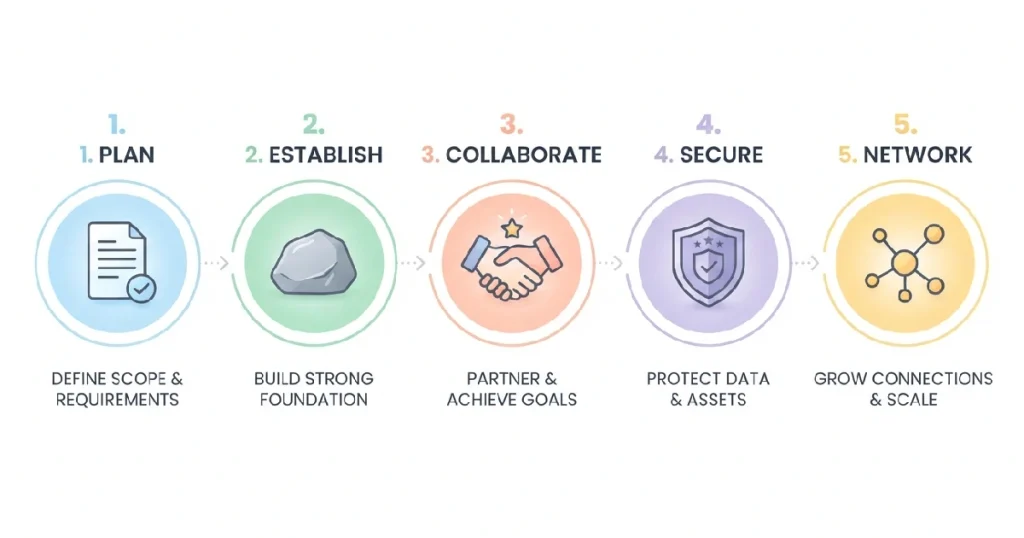
These aren’t passive coping tips. Think of them as business strategy you’re executing under pressure.
Rule 1: Master The Paper Shield
Verbal agreements are dangerous because they can be rewritten later with zero accountability. After any meeting send a short email confirming what was said.
Try something like this: “Hi [Manager], confirming our discussion today. You asked me to shift focus to Project X and pause Project Y until next quarter. I’ll proceed on this basis unless I hear otherwise by end of day.” It reads as helpful, not hostile, and it creates a timestamp that protects you later.
Rule 2: Corporate Gray Rocking
This is how to work for a narcissistic boss without feeding the drama. You stay factual, calm, and a little boring on purpose.
Skip the visible frustration, the defensive explanations, the tears in the hallway. When your boss pushes, respond flatly: “I understand your perspective on these results. I’ll review the metrics and upload the updated deck by 3pm.” No emotional supply means less fuel for the fire.
Rule 3: Strategic Ego Management
This is how do you deal with a narcissistic boss without selling out your own integrity. Frame your ideas in a way that lets them feel ownership.
Instead of “I think we should,” try “What if we built on your point from the leadership meeting and tried this.” It costs you nothing and buys you a surprising amount of day to day freedom.
Rule 4: Handling The Dominance Dynamic
For anyone dealing with how to deal with a narcissistic boss male, especially the loud, interrupting, boardroom peacocking type, the goal is calm neutralization, not submission.
Hold your posture. Keep your voice steady. Try: “Hold that thought, let me finish this one data point so the team has full context.” It’s firm without being a challenge.
Rule 5: Reputational Firewalling
Build relationships with people outside your manager’s circle. Skip level leaders, other department heads, and cross functional peers.
This matters because when your manager eventually tries to smear your name, which research on workplace scapegoating suggests is common once a target stops being compliant, you already have people who’ve seen your work directly.
How To Cope With A Narcissistic Boss Without Career Burnout
Emotional Decoupling
Their behavior reflects their own psychology, not your competence. This is radical acceptance in action, letting go of the hope that one day they’ll suddenly become the mentor you deserve.
Set real boundaries. Turn off notifications after a set hour. Decide your identity doesn’t live inside their opinion of you.
The HR Trap
HR protects the company, not you personally, and that’s worth knowing before you walk into that office. Many narcissistic managers are skilled upward managers who’ve already shaped leadership’s opinion of you long before you file anything.
Before contacting HR ask yourself: do I have written proof, is there a clear policy or legal violation, and am I prepared for the political fallout either way. If the answer to the first two is no, it may be smarter to document quietly and wait.
What To Do Next: Three Moves You Can Start Today

The Confirmation Email Habit. After every single 1-on-1 send a two line recap email. It takes ninety seconds and builds a record you’ll be grateful for later.
The 3 Minute Pause. Before reacting to a cutting comment, step away, breathe, and ask yourself “is this about my work or their mood.” This one shift stops you from internalizing something that was never about you.
The Exit Horizon Checklist. Consider writing down the exact line where tolerable friction becomes active sabotage, things like being excluded from key meetings or having your name quietly removed from projects. Once you hit that line, start a quiet job search immediately.
FAQ
Should I tell my narcissistic boss how their behavior makes me feel?
Generally no. Sharing emotional vulnerability with a narcissistic manager often hands them leverage rather than building empathy, and it can trigger a defensive or retaliatory response.
Can a narcissistic manager actually change?
Lasting change usually requires sustained clinical treatment and genuine self awareness, which most workplace narcissists never pursue. Plan your strategy assuming they won’t change.
Is it worth reporting a narcissistic boss to HR?
Only if you have clear documentation of a policy violation, harassment, or legal issue. Without solid proof, reporting can sometimes backfire and paint you as the difficult employee instead.
The Strategic Exit Plan: How To Survive A Narcissistic Boss Long Term
Interview during lunch breaks or personal time, never using company resources. Use former supervisors or client contacts as references instead of your current manager.
When you resign, keep it short. Try: “I’m resigning effective [date] and I appreciate the opportunities here. I’m happy to help transition my work over the next two weeks.” No debate, no drama, no ammunition handed over.
If a future interviewer asks why you’re leaving, it helps to already know how to answer why you are leaving your current job without ever badmouthing your old boss.
You Already Know More Than You Think
That Sunday night dread you started with isn’t a character flaw, it’s data. You now have an actual map for how to deal with a narcissistic manager instead of just surviving by instinct.
You are the one running your career. This manager is just an obstacle you’re learning to move around, not the author of your story.
My Closing Remarks
I’ve talked to alot of smart, capable people who thought something was wrong with them because a manager made them feel small every week. There’s nothing wrong with you. Toxic leadership follows a pattern, and once you see the pattern, the fear loses most of its grip. Protect your paper trail, protect your peace, and keep moving toward the job that actually deserves your talent.
More Related Stories For You
If you’re noticing these same dynamics bleeding into your personal relationships, this guide on what narcissism really looks like in a relationship connects alot of the same dots.
About The Author