Nicole Adkins

He skips the party, dodges the fancy title, and seems oddly content. What if the quiet one was never broken at all?
Key Takeaways
- The omega male personality sits outside the status ladder by choice, which flips the meaning of every trait people call weak.
- Chosen solitude and fear-based withdrawal look identical from across the room, and a two-question audit tells them apart.
- His real costs show up in visibility and follow-through, and both shrink with small weekly habits.
Quick answer: The omega male personality is internet slang for a man who steps outside status hierarchies by choice. He ranks private goals (craft, freedom, a few deep friendships) above public rank. The label comes from pop culture rather than clinical psychology, and his quiet style gets widely misread.
Contents
Table of Contents
He skips the office happy hour, passes on the promotion with the fancier title, and spends Saturday rebuilding a ten-year-old bike. By Monday the verdict is in: no drive, a bit odd, maybe broken. If you’ve heard that verdict about yourself or someone you love, you’ve met the omega male personality through its rumor mill.
The tension underneath is a scoring mismatch. He keeps an inner scorecard (progress, freedom, a few real friends) while everyone around him reads the public one. Psychologists call that engine intrinsic motivation: effort fueled by the doing itself. Deci and Ryan’s self-determination theory traces it to autonomy, competence, and closeness.
Here you’ll get all eight misreads decoded with observable tells, the two places this style genuinely struggles, and four small moves that fix what needs fixing.
What Is an Omega Personality? Check the Label’s Shaky Roots First
Before trusting any list of omega characteristics, look at where the ladder came from. The alpha-beta-omega rankings (often called the socio-sexual hierarchy) spread through blogs and forums in the early 2010s. They borrowed their science from old captive-wolf studies.
Wolf biologist David Mech helped make “alpha wolves” famous with his 1970 book. He later corrected the record: wild packs are families, and the alpha is simply a parent (Mech, 1999). The dominance ladder behind the metaphor never existed in the wild.
Strip the memes away and a useful omega male meaning remains: a man who measures his life against private standards instead of public rank. As a lens, the omega male personality clarifies. As a diagnosis, it collapses.
The four labels people confuse sort quickly once you ask one question: does he still want the scoreboard?
| Label | What he wants | Plays the ladder game? | Usual misread |
|---|---|---|---|
| Alpha | The top rung | Yes, openly | “Born leader” (rank gets confused with skill) |
| Beta | Rank and approval | Yes, cautiously | “Weak” |
| Sigma | Respect on solo terms | Sidesteps it, keeps scoring himself | “Lone alpha” |
| Omega | Freedom and depth | No, he changed games | “Failed alpha” |
That last row holds the nuance most lists flatten. A beta loses the game and feels the sting. An omega walked off the field years ago, often without noticing anyone was still keeping score.
Omega Male Characteristics People Misread (1 Through 4)

Each omega male personality misread below comes with a behavioral tell you can actually check.
1. “He has no ambition”
The pattern I see most in coaching conversations: a man who declines the team-lead role twice, then spends 200 hours teaching himself woodworking joinery. From outside, that reads as drift. From inside, he’s chasing competence on a scoreboard nobody else can see.
Self-determination theory predicts exactly this split. Strip away the boss’s scoreboard, and the same “unmotivated” man looks energized the moment a task belongs to him.
One question separates ambition from avoidance: can he name what he practiced this month? Drift has no answer ready. An omega answers with embarrassing detail.
2. “He’s socially awkward”
Watch him in two rooms. At a networking mixer he fades near the snack table. Put him with two friends and a shared project, and he talks for three hours straight. That’s selectivity, and the currency is depth.
Small talk spends his social battery with little return, so he rations it. The common pitfall: partners read his party silence as boredom with them. Ask which room he’d choose instead, and the answer usually involves them.
3. “He’s a beta with better branding”
This is the mix-up that muddies most omega personality articles. A beta stays inside the hierarchy and aches when he’s passed over. An omega redefined what winning means, so the corner office barely registers.
Try this thought experiment: your rival gets the promotion. A beta feels the sting for weeks. A sigma starts plotting a route around him. The omega asks whether the new boss will mess with his schedule, then goes back to dinner.
4. “He’s immature”
The gaming rig, the LEGO shelf, the fantasy league: adults read these as arrested development. Psychologist Mihaly Csikszentmihalyi built the science of flow: total absorption in a challenge that matches your skill. Adults get some of their steadiest mood repair there.
The honest test lives in his commitments. Bills paid, promises kept, people shown up for? Then the LEGO shelf is a workshop. When the hobby starts eating agreed-upon time, that’s avoidance wearing a fun costume, and it deserves a different conversation.
Omega Male Traits in Love and Work (5 Through 8)
5. “He can’t commit”
Here’s the edge case most listicles skip: omega independence and dismissive-avoidant attachment look alike on a dating app. Bowlby’s attachment research gives you the split. An avoidant pattern pulls away when closeness increases. The omega stays warm at close range and simply guards his calendar.
Check the repair behavior. After conflict, does he come back, own his part, and re-engage? Does he keep friendships that are ten years old?
Secure independence passes both. If intimacy itself triggers the vanishing act, you’re looking at an attachment pattern, workable, but a different project.
6. “He must be lonely”
Researchers define loneliness as the gap between the contact you want and the contact you have. Chosen solitude closes that gap from the other side. In lab studies, 15 minutes of solo time lowered intense emotions like stress and excitement. The benefit hinged on one thing: whether the person chose it (Nguyen et al., 2018).
So run the recharge test. After a solo weekend, does he come back fuller or flatter?
And count his 2 a.m. people, the ones he’d actually call in a crisis. One or two is plenty. Zero deserves attention, whatever label he wears.
7. “Quiet means insecure”
Insecure men get defensive fast. They name-drop, correct small errors, flinch at feedback. The omega characteristics that read as shyness run on a calmer engine. His self-worth was never listed on the public exchange, so a bad meeting can’t crash it.
Watch him say “I don’t know” or “you’re right, I missed that.” If those sentences come out level and unbothered, you’re watching quiet confidence. Our piece on what makes you happy covers where satisfaction actually comes from. The short version favors his internal metrics.
8. “He can’t lead”
Anthropologists split influence into two routes. Dominance runs on intimidation; prestige is granted freely to proven skill. The omega leads almost exclusively through the second route. In a crisis he’s suddenly the calmest voice in the room, and everyone leans in.
The trade-off is real. He won’t campaign for the formal title, so committees overlook him while louder colleagues get the badge. That’s a visibility problem with a fix, and the fix comes below.
Practical What-To-Do-Next: Four Moves for the Omega Mindset
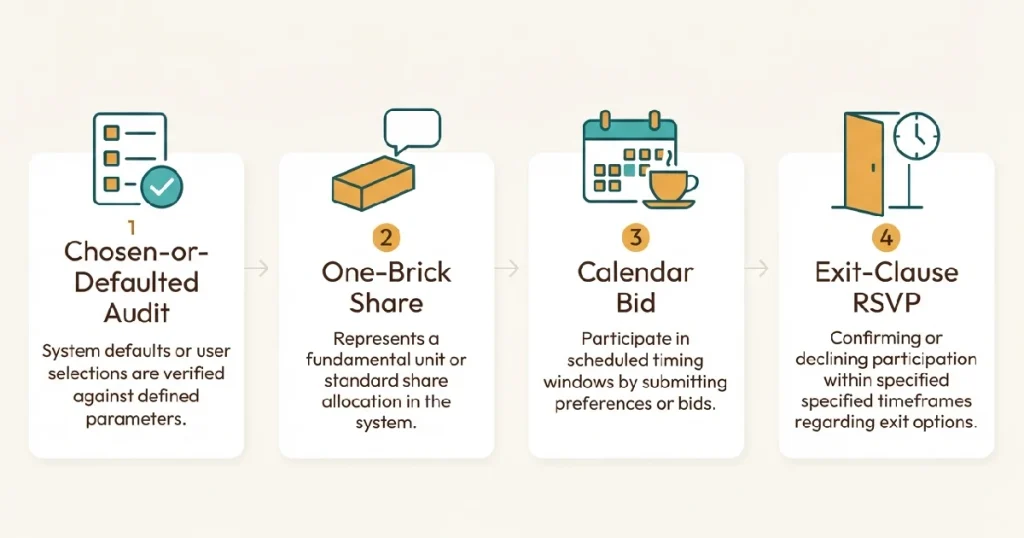
These four moves fit the omega male personality whether you live it or love someone who does. Start with whichever stings least.
The Chosen-or-Defaulted Audit
List your last ten solo choices: skipped dinners, declined trips, quiet Saturdays. Mark each R (came back recharged) or E (came back emptier).
Seven or more R’s means temperament, so honor it. Four or more E’s means avoidance is creeping in. Then ask the sorting question: “Did I move toward something I love, or away from someone I need?”
The One-Brick Share
Once a week, hand one person a single brick from your inner world: a project photo, a weird article, a 20-minute invite into the hobby. Script: “I spent Sunday fixing this turntable. Want to hear the strangest part?”
Partners can request the brick instead of waiting: “Show me one thing you made this week.” Depth is his native language; this just opens the door.
The Calendar Bid
Gottman tracked newlyweds for six years. Couples who stayed married turned toward each other’s small bids for attention 86% of the time; couples who divorced managed 33%. Omega schedules make those bids easy to miss.
Put one on the calendar: 20 minutes, weekly, phones in another room. Script: “Saturday, 10 a.m., coffee, no agenda. You pick the topic.” It feels artificial for about two weeks, then it feels like relief.
The Exit-Clause RSVP
All-or-nothing thinking shrinks his social life: either the whole loud evening or nothing. Consider testing a third option, acceptance with stated limits. Script: “I’ll come for an hour, then slip out. Nothing personal, that’s my battery.”
Two bounded yeses a month beat ten polite declines. Notice what shifts when leaving is allowed: staying gets easier.
Frequently Asked Questions
Is an omega male the same as a sigma male?
No: the sigma still wants status and keeps a private scoreboard while working alone. The omega male personality dropped the scoreboard itself, so he shrugs at wins that eat other men alive.
Can an omega male hold down a happy long-term relationship?
Yes, when the independence is chosen and the small bids get answered. Judge the relationship by repair after conflict and steady follow-through. Party attendance and grand gestures tell you far less.
Is “omega” sometimes avoidance or depression in disguise?
Sometimes. The direction test helps: omega traits move toward private interests while keeping a few close bonds intact. Withdrawal that flees all closeness, or emptiness that lasts weeks, deserves a professional rather than a label.
Picture the bike guy again, grease on his hands, Saturday well spent. You now hold the map for reading an omega male personality. Check the direction of his energy, count his kept commitments, and treat the quiet as a preference with a few honest costs. The same map works if the quiet man is you.
A man who knows his own scoreboard never needs the crowd to keep score.
My Closing Remarks
I’ve watched too many good men get talked into shame over traits I’d quietly envy: self-direction, deep focus, friendships that survive decades. If any of these eight misreads landed close to home, take the audit before you take the label. And if you’re loving an omega, ask for the brick. He almost always wants to hand it over, and that small request has repaired more evenings than any grand speech I’ve ever scripted.
More Related Stories for You
Curious how quiet relationship habits get distorted online? Read our look at how social media quietly rewires the way couples see each other.
About The Author